Where to Mount a Fish Finder Transducer
Mount a transom transducer on the boat’s stern, just below the hull bottom and away from turbulence, prop wash, and anything that blocks its view of the water. Follow the transducer manual for the exact height, angle, and clearance.
On this page (8 sections)
- Where should you mount a fish finder transducer on a boat?
- How do you choose a spot on the transom?
- Can you mount a transducer inside the hull?
- Can you mount a transducer on a trolling motor?
- How do you check the mounting position before drilling?
- What can cause a transducer to lose its reading?
- What should you check after mounting the transducer?
- Where to mount a fish finder transducer for your setup
Mount a fish finder transducer on the stern, below the hull bottom, where it can read clean water and stay clear of turbulence from the propeller, strakes, and fittings. Check the transducer manual for its exact height and angle before drilling.
The right spot depends on your hull and the type of transducer. A good location keeps the sonar face submerged while the boat is moving and gives the beam an unobstructed path beneath or beside the boat.
Where should you mount a fish finder transducer on a boat?
For a transom transducer, start at the stern near the centerline, then move away from the propeller and other sources of disturbed water. Choose a spot where the sensor can sit in smooth flow and remain accessible for adjustment.
Look across the transom for strakes, steps, trim tabs, drains, and existing fittings. These can disturb water or block the sonar beam, so check the transducer manual for the clearance it needs.
Don't choose a position based only on how easy it is to reach from outside. The transducer needs a clear water path at the speed and trim you expect to use it.
A transducer can lose its reading when air bubbles pass across its face. If the display drops out as the boat speeds up, turbulence or mounting height may be part of the problem.
How do you choose a spot on the transom?
Pick a flat, sturdy area that stays in clean water when the boat is underway. The transducer should also have room to pivot or release as its mount is designed to do.
Before drilling, hold the mount in place and check the full beam path. Confirm that the transducer won't sit behind a strake, bracket, or other part of the hull that could block the view.
Check the cable route to the fish finder. Leave enough slack for steering or adjustment, secure the cable where it won't snag, and keep it away from sharp edges and moving parts.
If you have a small aluminum boat, hull shape and limited stern space can make placement less straightforward. Our guide to fish finders for a 14-foot aluminum boat covers considerations for that boat size.
How high should the transducer sit?
Use the height specified by the transducer maker for your hull and bracket. Many transom installations place the sonar face level with or slightly below the hull bottom, but the correct setting depends on the model and boat.
If the transducer sits too high, it may lift out of clean water or pick up air bubbles. If it sits too low, it can add drag or be more exposed to impact.
Start with the manual's position, then make small adjustments if readings fail underway. Change one thing at a time so you can tell whether the adjustment helped.
Which way should the transducer face?
Keep the sonar face aimed as instructed, with the unit level when the boat is in its normal running position. A tilted transducer can send the beam off to one side or make the view harder to interpret.
Use the boat's usual load and trim when setting the angle. Then check that the mount remains secure and the transducer can move as intended if it hits an obstacle.
Can you mount a transducer inside the hull?
Some transducers can read through a fiberglass hull, but in-hull mounting depends on the transducer design, hull material, and installation method. Check the manual first; don't assume a transom transducer can shoot through the hull.
An in-hull location needs solid contact with the hull and a suitable bonding method. Air gaps, foam, or some hull materials can weaken or block the sonar signal.
This option can protect the transducer from water contact and impact, but it may limit what it can show. If you need detailed readings or aren't sure the hull is suitable, use a mounting method approved for the exact transducer.
Can you mount a transducer on a trolling motor?
A trolling motor mount can work when the transducer and bracket support that setup. Keep the sensor clear of the propeller and route the cable so steering and stowing won't pull or pinch it.
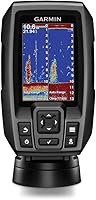
The Garmin Striker Plus 4 includes a dual-beam transducer with transom and trolling motor mounts. Its built-in GPS can mark waypoints and show boat speed, which can help when you want sonar and location information together.
Before attaching a transducer to a trolling motor, check how the mount should face and where the cable should run. Make sure the sensor won't strike the bottom when the motor is deployed or stowed.
The right fish finder type also affects your mounting choices. See types of fish finders and how they fit different fishing setups before choosing a unit.
How do you check the mounting position before drilling?
Test the planned position against the hull shape, cable route, and beam path before making holes. Dry-fit the bracket and turn the motor or rudder through its full range if either could affect the transducer.
Confirm that the transducer has the clearance required by its manual. Check that it won't interfere with a ladder, drain, tie-down, or other fitting.
A fish finder with a transom transducer may include hardware for that installation. The Humminbird Helix 5 CHIRP DI GPS G3 includes a transom-mount transducer and a gimbal mounting bracket for its control head.
The Garmin ECHOMAP UHD2 53cv supports Garmin traditional and ClearVü scanning sonar. Its transducer choice and mounting position should match the type of sonar view you plan to use.
Don't drill until the transducer position, cable route, and control-head location all work together. If you aren't sure how the mount fits your hull, ask a qualified marine installer to review the plan.
What can cause a transducer to lose its reading?
Turbulence, excess mounting height, a blocked beam, or a poor angle can interrupt sonar readings. The cause may appear only when the boat is moving, so check how the unit behaves at different speeds.
Inspect the transducer face for damage or buildup, then check its angle and height against the manual. Look for air bubbles or disturbed water from nearby fittings, strakes, or the propeller.
If the reading works at low speed but fades underway, try a small height or position adjustment if the bracket allows it. Secure the mount after each change and avoid drilling new holes until you know the current spot is the issue.
What should you check after mounting the transducer?
Check that the transducer is secure, clear of moving parts, and aimed as the manual directs. Then test the sonar at low speed before checking how it reads underway.
Watch for the bottom reading and any sudden gaps as speed increases. If the screen loses its return, inspect the mounting height, angle, and water flow before assuming the fish finder is faulty.
Use the control head's own installation steps to set up the display and sonar view. Our guide to reading a fish finder screen explains what to look for once the transducer is working.
Where to mount a fish finder transducer for your setup
For a typical transom installation, choose a stern location that sits in clean water, clears the propeller and hull features, and follows the manual's height and angle guidance. Use an approved trolling motor or in-hull position only when the transducer supports that mount.
If you're choosing a unit as well as a location, compare fish finders with GPS for marking spots. Pick a setup based on your boat, transducer mount, and the sonar view you need.
Frequently asked questions
Where should a fish finder transducer go on a boat?
A transom-mounted transducer usually goes on the stern, below the hull bottom, where it meets clean water and stays clear of the propeller, strakes, and other sources of turbulence. The exact position depends on the hull and transducer, so follow the unit's installation manual and check the beam path.
Should a transducer be below the bottom of the boat?
A transom transducer is generally positioned at or slightly below the hull bottom so it can reach undisturbed water. Too high can cause air bubbles to interrupt readings, while too low can create drag or risk impact.
Use the manufacturer's height guidance for your hull.
Can you mount a fish finder transducer inside the hull?
Some transducers can shoot through a fiberglass hull when installed with an approved method, but this can limit readings and won't work through every hull material. Check the transducer instructions before choosing an in-hull location, and avoid assuming a transom model supports that installation.
Can a fish finder transducer be mounted on a trolling motor?
A trolling motor mount can work when the transducer and bracket are designed for it and the cable can move safely with the motor. Keep the sensor clear of the propeller and prevent cable strain through steering and stow positions.
Follow the transducer's mounting instructions.