Can One Fish Finder Work for Boat and Ice Fishing?
Yes, one fish finder can work for boat and ice fishing if you can use a suitable transducer for each setting and power it safely. Some portable ice bundles include an ice transducer and battery, while open-water use may need a separate transducer.
On this page (7 sections)
- Can one fish finder work for boat and ice fishing?
- What should you check before moving a fish finder between seasons?
- Which portable fish finder kits suit both boat and ice use?
- Does an ice transducer work on a boat?
- Is a portable kit easier than swapping parts?
- When is a separate fish finder the better choice?
- How do you choose one fish finder for boat and ice fishing?
Yes, one fish finder can work for boat and ice fishing when it supports a transducer for each setting and you can power and position it safely. A portable ice bundle may include an ice transducer and battery, but open-water use can require a separate transducer.
The main question is compatibility, not whether the display can travel. Before buying, check which transducer works on your boat, how the display will mount, and whether the portable kit includes the battery and accessories you need.
Can one fish finder work for boat and ice fishing?
One fish finder can cover both seasons if its transducers and setup suit both uses. Ice fishing calls for a transducer positioned in a hole, while boat fishing needs a transducer installed or mounted for use on the water.
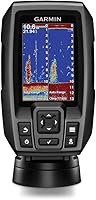
Some portable bundles are built around ice use but can also serve open water with a compatible transducer. Garmin describes the Striker Plus 4 Ice Fishing Bundle for ice or open water, and says open-water use requires a GT20, GT22, or GT23 transducer sold separately.
That detail matters when comparing the upfront kit contents with the complete setup you need. A bundled ice transducer does not automatically replace the transducer intended for your boat.
For a broader overview of unit styles, see types of fish finders and which kind fits how you fish. If you are deciding what sonar can show, our guide to fish finder basics explains the terms.
What should you check before moving a fish finder between seasons?
Check transducer compatibility, mounting, power, and portability before choosing one unit for both seasons. A kit that is simple to carry on ice may still need extra parts for your boat.
- Transducers: Confirm the unit supports a suitable ice transducer and open-water transducer.
- Mounting: Check how the display attaches in the boat and how it sits beside your ice hole.
- Power: See whether the kit includes a rechargeable battery and charger, and plan to keep the battery charged.
- Storage: Look for a case or bag that can hold the display, transducer, cables, and other included pieces.
- Mapping and waypoints: If you want to mark locations, check whether those features are included.
Portable kits can bundle a display with a battery, bag, float, mount, and transducer. Their contents vary, so compare the parts against both setups you plan to use.
The guide to making a fish finder portable covers the practical side of carrying and powering a unit. For ice-specific options, compare fish finders for fishing through the ice.
Which portable fish finder kits suit both boat and ice use?
The Garmin Striker Plus 4 Ice Fishing Bundle is the clearest fit here for a single unit across seasons, because Garmin describes it for ice or open water and names the separate transducers needed for open-water use. The other two kits include ice-related features, but check their open-water transducer compatibility before relying on them for your boat.
Garmin Striker Plus 4 Ice Fishing Bundle
This 4-inch color fish finder includes built-in high-sensitivity GPS, Quickdraw Contours mapping, a dual-beam ice fishing transducer, and a portable carrying case. Garmin says the GPS can mark hot spots and let you build maps with 1-foot contours.
Choose this bundle if you want an ice-ready kit and are willing to add a compatible open-water transducer for your boat. Its included components also list a rechargeable battery, charger, tilt/swivel mount, base and handle, and foam float.
Garmin Striker Vivid 5cv Ice Fishing Bundle
The Striker Vivid 5cv bundle pairs a 5-inch display with a GT8HW-IF ice transducer, portable fishing kit, bag, foam float, rechargeable battery, and charger. Its ice transducer offers adjustable beam angles, and Garmin describes it as showing a jig or weighted bait and fish entering the sonar beam.
This is a useful option if the larger screen and ice-focused sonar details suit your winter setup. Confirm open-water transducer support and the parts needed to mount it on your boat before counting on it as a year-round kit.
Garmin Striker 4 Portable Kit
The Striker 4 Portable Kit includes a 3.5-inch display, transducer, rechargeable battery, charger, bag, foam float, and tilt/swivel mount. Its built-in flasher can show sonar data in a format intended for ice fishing or vertical jigging, and its waypoint map can mark locations such as brush piles, stumps, and docks.
Choose it if you want a small screen and a portable kit with both a transducer and flasher mode. The details identify the included transducer and transom and motor mounts, but check that the transducer suits your boat installation and ice setup.
Does an ice transducer work on a boat?
An ice transducer is not a universal replacement for a boat transducer. Its design and intended position may differ from the transducer you need mounted on a hull or boat bracket.
A portable ice transducer is typically positioned vertically in the hole, held by its float or cable. On a boat, the transducer must stay in the correct position in the water while the boat moves, so the mounting method and compatibility matter.
The Striker Plus 4 bundle makes the distinction explicit: it includes a dual-beam ice transducer, while open-water use requires a compatible GT20, GT22, or GT23 transducer sold separately. For other units, check the supported transducer options before assuming the ice transducer will work from your boat.
If your main need is a permanent boat setup, see where to mount a fish finder transducer. It can help you think through placement before adding a second transducer.
Is a portable kit easier than swapping parts?
A portable kit can make seasonal use simpler when it keeps the display and accessories together. A bag, battery, charger, float, and mount reduce the loose pieces you need to gather, though you may still need separate transducers.
The Plus 4 and Vivid 5cv bundles include portable bags, rechargeable batteries, chargers, and foam floats. The Striker 4 Portable Kit also includes a battery, charger, bag, float, and transducer.
Before moving a unit between uses, disconnect power, handle cables carefully, and store wet parts so they can dry. Keep the display and battery protected during transport, and follow the device instructions for installation and care.
When is a separate fish finder the better choice?
A second unit can make sense if changing transducers and mounts takes too much time or creates setup problems. It can also suit you if the boat unit stays installed and you want a dedicated ice kit ready to carry.
One portable unit is more appealing when you fish both settings occasionally and can store all required parts together. A dedicated boat unit may suit frequent boat use, while a portable kit can stay packed for ice trips.
Compare the full setup cost and effort, including any separate transducer, mounting parts, and power needs. Don't assume that a shared display means a complete shared kit.
How do you choose one fish finder for boat and ice fishing?
For a fish finder for boat and ice fishing, choose a kit only after confirming the transducer and mounting needs for both seasons. The Striker Plus 4 bundle has the clearest stated path between ice and open water, with a separately sold compatible transducer required for boat use.
Choose the Vivid 5cv if its 5-inch screen and adjustable-beam ice transducer match your winter needs, after checking its boat setup. Choose the Striker 4 Portable Kit if you want a compact kit with a built-in flasher and waypoint map.
If you want a dedicated winter setup, use our guide to the best fish finders for ice fishing. For general sonar terms before you decide, start with our fish finder guide.
Frequently asked questions
Can you use an ice fishing fish finder on a boat?
Yes, if the fish finder supports a suitable open-water transducer and mounting setup. The Garmin Striker Plus 4 Ice Fishing Bundle is described for ice or open water, but it requires a separately sold GT20, GT22, or GT23 transducer for open-water use.
Check compatibility before planning to move a unit between setups.
Do you need a different transducer for ice fishing?
Often, yes. Ice fishing commonly uses a transducer that hangs vertically in the hole, while a boat transducer is usually installed for use through the hull or from a mount.
Check the fish finder’s supported transducers and choose a bundle or accessory that suits each setting.
Can one battery power a fish finder all day?
Runtime depends on the battery, display, settings, temperature, and how long the unit stays on. The product details here identify rechargeable batteries in the portable kits but do not provide a runtime estimate.
Bring a charged battery and follow the device’s power guidance for your trip.
Is a portable fish finder a good choice for boat and ice fishing?
A portable fish finder can suit both if it has compatible transducers for each use and a practical way to mount or position the display. Bundles with a case, battery, and ice transducer can reduce the number of parts to gather, but check what open-water transducer is needed.