8 Best Fish Finders for a Pontoon Boat (November 2026)
The best fish finders for pontoon boats include the Lowrance Eagle Eye 9 Live Sonar Fish (best overall), the Humminbird XPLORE Series GPS Fish Finder MEGA for chart coverage, and the Simrad GO Chartplotter and Fish Finder for cruising plus fishing.
On this page (5 sections)
The best fish finder for a pontoon boat is the Lowrance Eagle Eye 9 Live, because its 9-inch IPS screen is easy to read from a helm bench and its one included transducer delivers Live Forward, Live Down, CHIRP and DownScan. Pontoon decks are wide and slow, so a big, bright display and live views do more for you than a compact unit built for a kayak.
A pontoon also has room for a proper bracket or panel mount, which makes a larger screen practical. Choose the Humminbird XPLORE if you fish unfamiliar lakes and coasts and want the widest map card.
Pick the Simrad GO if you cruise as much as you fish. The Eagle 4x keeps the budget low for quiet-lake trips, and the Deeper PRO+ 2 casts from the deck when you don't want to drill into the boat.
Our picks at a glance
-
1

-
2
 Best for chart coverage
Humminbird XPLORE Series GPS Fish Finder MEGA
9.4/10 our score
See it on Amazon -
3
 Best for cruising plus fishing
Simrad GO Chartplotter and Fish Finder
9.2/10 our score
See it on Amazon
- 4
 Check it
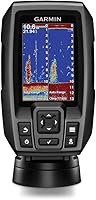
Humminbird Helix 5 CHIRP GPS G3
Best for a small console - 5
 Check it
JOYWEE FF688C 3.5" Phiradar Color LCD Boat
Best for reading depth and bottom - 6
 Best castable unit for pontoon fishingCheck it
- 7
 Best budget helm unitCheck it
- 8
 Check it
Yoocylii Handheld Fish Finder Portable Fishing Kayak
Best handheld backup
Which fish finder fits your pontoon setup?
The Eagle Eye 9 is the strongest all-around unit for a pontoon because it pairs a big, glare-resistant screen with live sonar in one box. Every other pick here wins on a specific need: charts, cruising, a small console, budget or no wiring at all.
Lowrance Eagle Eye 9 Live Sonar Fish: Best overall
- Live Forward and Live Down views
- 9-inch IPS display
- C-MAP charts for 17,000+ U.S. lakes
- 500 ft maximum depth
One transducer covers live forward, live down, CHIRP and DownScan with FishReveal. The big IPS screen stays readable from the helm bench.
Pros
- Live views show fish reacting to your lure
- One transducer feeds every sonar view
- C-MAP inland charts built in
Cons
- Highest price tier here
- The 9-inch display needs helm space
Lowrance builds this for an angler who fishes from a seat and wants to see the bite happen. Live Forward and Live Down views show fish movement and how they respond to your lure, which suits the slow drifts a pontoon makes over structure.
The included transducer pack covers both live views, CHIRP and DownScan, so one install feeds every sonar mode.
The 9-inch IPS screen stays clear from wide viewing angles and through polarized sunglasses. Because the transducer connects straight to the display, there's no separate sonar module to find space for.
FishReveal merges CHIRP targets with DownScan detail, which makes fish easier to pick out around brush and rock. C-MAP charts cover more than 17,000 U.S. lakes, and Genesis Live builds new maps as you move.
Depth reads to 500 ft, plenty for deep reservoirs. The kit includes the gimbal bracket and power cable.
The trade-off is price and helm space. A 9-inch display is the largest here after the Humminbird's 10-inch screen.
If you mostly cruise, the Simrad covers navigation for less sonar emphasis.
Humminbird XPLORE Series GPS Fish Finder MEGA: Best for chart coverage
- MEGA Side Imaging+ with 200 ft per side
- 10-inch HD touchscreen
- LakeMaster and CoastMaster VX card
- Control head only, no transducer
Side imaging reads structure well off a pontoon's flanks, and the included map card covers lakes and coasts. It ships as a control head only, so a compatible transducer is a separate buy.
Pros
- MEGA Side Imaging+ reaches 200 ft each side
- Touchscreen and keypad control
- LakeMaster and CoastMaster card included
Cons
- No transducer in the box
- Bracket-only mount
Humminbird makes this for the pontoon owner who runs big, open water and wants structure detail to each side. MEGA Side Imaging+ reaches 200 ft on each side, so you can read ledges and brush off the boat's flanks without turning around.
MEGA Down Imaging+ matches that 200 ft depth coverage, and Dual Spectrum CHIRP rounds out fish detection.
The 10-inch color touchscreen has keypad control as well, which helps when spray or gloves make touch awkward. Built-in GPS pairs with the Humminbird Basemap covering more than 10,000 lakes and coastal waters with terrain, markers and hazards.
The included LakeMaster and CoastMaster VX card adds US and Canada regions.
AutoChart Live maps depth, bottom hardness and vegetation in real time with eight hours of built-in recording. Bluetooth adds anchor control and phone notifications, and NMEA 2000 and high-speed Ethernet open networking options.
It's also built to accept MEGA Live 2 forward-facing sonar later.
This ships as a control head only, so budget for a compatible transducer. That makes it less of a one-box buy than the Eagle Eye 9, though the map coverage and screen size go further.
It's the heavier unit at 4.8 pounds and needs bracket space at the helm.
Simrad GO Chartplotter and Fish Finder: Best for cruising plus fishing
- 9-inch multi-touch display
- 83/200 kHz HDI transducer included
- C-MAP Discover card for US and Canada
- Wi-Fi and NMEA 2000
A chartplotter and fish finder in one unit, with the transducer and chart card in the box. Built-in Wi-Fi mirrors the screen to a phone or tablet.
Pros
- Chartplotter and sonar in one display
- HDI transducer and C-MAP card included
- Screen mirroring to a phone or tablet
Cons
- Radar needs separate Simrad hardware
- CHIRP and DownScan views only
Simrad suits the pontoon that cruises and fishes on the same trips. The GO9 is a chartplotter and fish finder in one, so the same 9-inch multi-touch screen handles navigation, sonar, and radar if you add it later.
An 83/200 kHz HDI transducer comes in the box for CHIRP sonar and DownScan, and the C-MAP Discover card adds vector charts, custom depth shading and tides and currents for the US and Canada. Built-in GPS and Wi-Fi mirror the display to a smartphone or tablet, handy when you're at the bow.
The touchscreen works with the tap-and-pinch gestures most people already know from a phone.
NMEA 2000 and Ethernet support open integration with other marine electronics, and Bluetooth is on board too. The mount works on a dashboard, panel or bracket, which suits most pontoon consoles, and the suncover and gimbal bracket come in the kit.
The unit weighs 3 pounds.
The limitation is sonar depth of detail. It has no side imaging or live views, so the Eagle Eye 9 and XPLORE see more structure.
Choose the Simrad when chart work and cruising come first.
Humminbird Helix 5 CHIRP GPS G3: Best for a small console
- Dual Spectrum CHIRP
- 5-inch color display
- Humminbird Basemap for 10,000+ lakes
- AutoChart Live mapping
A compact keypad unit with wide and narrow CHIRP modes. It fits a crowded helm without covering the gauges.
Pros
- Wide Mode for coverage and Narrow Mode for detail
- Keypad works in wet weather
- AutoChart Live mapping on the water
Cons
- Smallest screen in this top group
- No side imaging
The Helix 5 is the pick for a crowded pontoon helm. Its 5-inch color display fits beside gauges without covering them, and the keypad stays reliable in wet weather when touchscreens get fussy.
Softkey controls reach pre-loaded views quickly.
Dual Spectrum CHIRP offers Wide Mode for coverage and Narrow Mode for detail, so you can search a bay and then drill into a brush pile. A Low-Q transducer gives precise 2D target separation.
Humminbird Basemap covers more than 10,000 lakes and continental U.S. coastlines.
AutoChart Live maps depth contours, bottom hardness and vegetation while you boat, with eight hours of built-in recording. An XNT 9 HW T transom transducer, bracket and hardware come in the box, so it's ready after the install.
Skip it if you want a big screen or side imaging. Its 5-inch screen is smaller than the 9- or 10-inch units, so reading it from a seat takes more attention.
JOYWEE FF688C 3.5" Phiradar Color LCD Boat: Best for reading depth and bottom
- 200/83 kHz dual frequency
- 3.5-inch color LCD
- 2 to 240 ft depth range
- Bottom contour and water temperature
A small surface-mount unit that shows depth, bottom type and water temperature. Good for casual pontoon trips where fish icons matter more than live sonar.
Pros
- Shows bottom type and water temperature
- Fish size and depth icons
- Low power draw at 100 watts RMS
Cons
- Buttons are not waterproof
- No GPS or mapping
The JOYWEE FF688C covers the basics for a pontoon angler who mainly wants depth and bottom type. Its 200/83 kHz dual frequency shows 2 to 240 ft in tenths, with bottom contour and water temperature, and fish icons carry a size and depth readout.
Big and small fish show as different icons.
A 3.5-inch color LCD keeps the footprint small, and surface mounting means it sits on top of the console rather than needing a cut-out. It's a cheap way to add sonar to a boat that never had it.
The screen is sunlight readable with LED backlighting.
Sensitivity runs to 100 levels, and auto zoom tracks the bottom while you drift. "Stop chart" freezes the view so you can study it, and a manual zoom is there too.
An audible fish and depth alarm is there if you fish with your eyes off the screen. Feet or meter units and a multi-language menu are included.
Two limits matter on a pontoon. The buttons are not waterproof, so cover the unit in rain.
There's no GPS or chart, so it won't help you navigate a new lake.
Deeper PRO+ 2: Best castable unit for pontoon fishing
- Castable wireless sonar
- Built-in GPS for bathymetric maps
- Range up to 330 ft
- Beams wide, mid and narrow
Cast it from the deck or dock and read the sonar on the Fish Deeper app. No drilling or wiring into the pontoon.
Pros
- No permanent mounting or wiring
- Maps saved in the app
- Works from shore or deck
Cons
- Depends on Wi-Fi between unit and phone
- No dedicated helm screen
The Deeper PRO+ 2 suits a pontoon owner who doesn't want holes in the deck or wiring runs. You cast the sonar from the bow or stern and read depth and fish on the Fish Deeper app over its own Wi-Fi.
The kit includes the sonar, a neoprene pouch and a USB cable.
Accuracy reaches 330 ft, and the wide, mid and narrow beams let you scan a flat or drill into a specific spot. Target separation of 0.4 in in the narrow beam helps when you jig straight down.
The narrow beam is the one to reach for when you want to track a tiny lure.
Built-in GPS lets you build bathymetric maps from shore, dock or bank and keep them in the app. The unit weighs 3.2 oz and measures 2.56 inches on each side, so it fits in a tackle box.
A 2-year limited warranty covers it.
The trade-off is the display. You read the sonar on your phone via the Fish Deeper app rather than on a helm unit, and the link depends on Wi-Fi.
It's a great second sonar, not a replacement for the Eagle Eye 9 at the console.
Lowrance Eagle 4x: Best budget helm unit
- 4-inch IPS portrait screen
- Auto-Tuning Sonar
- 200 kHz Bullet Skimmer
- 500 ft maximum depth
A small portrait display with auto-tuned sonar and a wide 44-degree beam. It suits a first unit on a pontoon that stays on quiet lakes.
Pros
- Auto-Tuning Sonar removes manual setup
- Readable through polarized sunglasses
- Flush or surface mounting options
Cons
- No GPS or charts
- One of the smallest helm units here
Lowrance's Eagle 4x is the budget route to a real helm unit. The 4-inch IPS portrait screen stays clear in sunlight and through polarized sunglasses, and Auto-Tuning Sonar handles settings so you can just fish.
The portrait shape fits narrow helm panels.
The included 200 kHz Bullet Skimmer has a 44-degree beam that covers a wide patch below the boat. Depth reads to 500 ft, and fish icons show depth with a zoom for a closer look.
The beam width suits kayaks and small boats as much as a pontoon's deck.
A twist-lock connector makes the display easy to remove, which helps if the pontoon sits on a trailer or open dock. Mounting choices include surface, panel and flush.
The kit includes the bracket, knobs, power cable and fuse.
This one is for simple lake trips. There's no GPS and no chart, so bring a separate plotter if you need navigation.
Its 4-inch screen is smaller than the fixed units from Humminbird and Lowrance here. There's no audible fish alarm, just the icons and depth readout.
Yoocylii Handheld Fish Finder Portable Fishing Kayak: Best handheld backup
- 3.5-inch color LCD
- Wireless sonar range of 328 to 656 ft
- Depth to 164 ft
- IP67 waterproof probe
A handheld screen and wireless probe you can keep in a tackle bag. Useful as a second set of eyes when someone fishes off the bow.
Pros
- Handheld and battery powered
- Water-activated probe
- Fish and depth alarms
Cons
- Shortest depth range here
- No GPS or mapping
The Yoocylii handheld is the spare set of eyes for a pontoon. Its 3.5-inch color LCD and wireless probe reach 328 to 656 ft and read depth to 164 ft, so a passenger can scan off the bow without touching the helm.
The 480x320 screen is sunlight readable and adjustable for brightness.
The IP67 probe auto powers on and off in water, and the screen shows fish size icons, water temperature and bottom contours. Shallow and deep zone alarms and a fish alarm are included.
Units switch between feet and meters and between Celsius and Fahrenheit.
USB and 12V cables come in the box for charging, and the bracket mount keeps the screen near the rail. A lanyard and mounting bracket are included.
It's a handy second unit or a starter finder for a borrowed boat.
Its 164 ft depth limit is the shortest here. It's also not a navigation tool, so keep the main helm unit for depth and charts on deeper water.
Remember to clean and dry the probe after use to keep the seals good.
How these pontoon fish finders compare
Here's how the units stack up on the specs that matter for a pontoon: screen size, mounting, sonar depth and what's in the box. Use the table to spot the unit that matches your helm and water.
| Product | Best for | Display size | Maximum depth | Mounting | Our score |
|---|---|---|---|---|---|
| Lowrance Eagle Eye 9 Live Sonar Fish | overall | 9 inches | 500 feet | Panel or bracket mount | 9.6 |
| Humminbird XPLORE Series GPS Fish Finder MEGA | chart coverage | 10 inches | 200 feet | Bracket mount | 9.4 |
| Simrad GO Chartplotter and Fish Finder | cruising plus fishing | 9 inches | Dashboard, panel or bracket | 9.2 | |
| Humminbird Helix 5 CHIRP GPS G3 | a small console | 5 inches | Transom mount | 8.8 | |
| JOYWEE FF688C 3.5" Phiradar Color LCD Boat | reading depth and bottom | 3.5 inches | 240 feet | Surface mount | 8.6 |
| Deeper PRO+ 2 | castable unit for pontoon fishing | 2.4 inches | 100 meters | Surface mount | 8.5 |
| Lowrance Eagle 4x | budget helm unit | 4 inches | 500 feet | Surface, panel or flush mount | 7.6 |
| Yoocylii Handheld Fish Finder Portable Fishing Kayak | handheld backup | 3.5 inches | 164 feet | Bracket mount | 7.5 |
Our score weighs specs, features and buyer feedback against what you're shopping for. For a pontoon, we weighted screen readability, mounting options for a flat helm and the depth rating for the water you fish.
Live views and chart coverage pushed the Eagle Eye 9 to the top. A unit that needs a separate transducer or depends on a phone screen loses a little ground.
Weight and helm footprint counted too, since a pontoon console already carries gauges and switches. A unit that ships with the chart card and transducer in the box scored higher than one that needs both bought apart.
How we compared these fish finders for a pontoon boat
We compared units by what a pontoon owner actually deals with: a wide, flat helm, room for a bracket mount, and slow drifts over structure. Screen size and brightness came first, because you read the display from a bench rather than over the unit.
A 9- or 10-inch screen like the Eagle Eye 9 or XPLORE shows more detail from a seated position.
We then checked each unit's sonar views. Live Forward and Live Down, side imaging, CHIRP and DownScan each tell you something different about fish and structure.
A unit with more views covers more fishing styles. The Eagle Eye 9 and XPLORE lead here, while the Simrad, Helix 5 and Eagle 4x stay with CHIRP and DownScan.
Mounting and install matter on a pontoon too. A flush or panel mount keeps the helm clean, while a bracket mount is easier to remove.
A transducer in the box saves a separate buy, and so does a preloaded chart card. We noted which units include both and which ship as a control head.
Finally, we weighed depth ratings and connectivity. A 500 ft depth rating suits deep lakes and reservoirs.
Built-in GPS, Wi-Fi and NMEA 2000 decide whether the unit grows with your electronics. A castable or handheld unit earns its place as a second sonar, not a helm replacement.
What should you check before buying a fish finder for a pontoon?
Start with the screen and mounting. A pontoon helm is flat and wide, so a 7- to 10-inch display fits most consoles without covering the gauges.
Check the mount type too: bracket and panel mounts are easiest on a pontoon, while a flush mount needs a cut-out.
Screen size and readability
Bigger screens are easier to read from a bench seat. A 9- or 10-inch display like the Eagle Eye 9 or XPLORE shows more detail at once.
A 4- or 5-inch unit suits a crowded helm but takes more attention to read.
Look for IPS panels and brightness claims. Polarized sunglasses can wash out some screens, so a display that stays clear through them matters on sunny water.
The Eagle Eye 9 and Eagle 4x both list IPS panels.
Transducer in the box or not
Some units ship with a transducer. The Eagle Eye 9, Simrad GO and Helix 5 each include one, so they're ready after the install.
The Humminbird XPLORE is a control head only and needs a compatible transducer.
Check that the included transducer matches the sonar views you want. Live views and side imaging each need the right hardware, and a basic CHIRP transducer won't deliver them.
The Eagle Eye 9's pack is built for its live views.
Sonar views and depth rating
Basic sonar shows depth and fish arches. DownScan and FishReveal add structure detail.
Live Forward and Live Down show how fish react to your lure. MEGA Side Imaging+ reads structure to each side.
Match the depth rating to your water. A 200 to 240 ft rating covers most lakes.
Deep reservoirs call for 500 ft, which the Eagle Eye 9 and Eagle 4x both reach. The XPLORE and JOYWEE list 200 and 240 ft, and the Deeper reaches 100 meters.
Charts and navigation
If you fish unfamiliar lakes, chart coverage saves time. C-MAP charts on the Eagle Eye 9 cover more than 17,000 U.S. lakes.
Humminbird's Basemap and the LakeMaster and CoastMaster card on the XPLORE add coasts and more lakes. The Simrad's C-MAP Discover card covers the US and Canada.
A unit without GPS like the Eagle 4x or JOYWEE means a separate plotter or map app. For a pontoon that cruises, the Simrad GO gives you navigation and sonar on one screen.
Wiring and mounting on a pontoon
A pontoon has wide deck edges and a flat helm, which makes cable routing easier than on a kayak. Run the transducer cable along the deck edge and keep it away from the motor's electrical noise.
The twist-lock connector on the Eagle 4x makes removing the display quick.
If you don't want to drill, a castable unit like the Deeper PRO+ 2 avoids the install. A handheld like the Yoocylii needs no wiring either.
Both suit a boat you share or rent.
Which fish finder is right for your pontoon?
Pick the Lowrance Eagle Eye 9 Live for most pontoons. Its big IPS screen, one-box transducer and live views handle the slow drifts a pontoon makes, and the C-MAP inland charts cover thousands of lakes.
Choose the Humminbird XPLORE if wide charts and side imaging matter more than a simple install. The Simrad GO suits a boat that cruises and fishes.
For a small helm, the Helix 5 fits without crowding the gauges. On a tight budget, the Eagle 4x keeps sonar simple.
Cast the Deeper PRO+ 2 when you won't drill into the boat. The Yoocylii covers a borrowed pontoon or a passenger who wants their own screen.
If your pontoon doubles as a lake boat for smaller waters, our guide to the best fish finder for a 14 foot aluminum boat covers compact units. New to sonar?
Start with the best fish finders for beginners. River anglers should read the best fish finders for river fishing, and jon boat owners can compare picks in the best fish finders for a jon boat.
A pontoon is a stable, roomy platform, so the best fish finder for a pontoon boat is one with a screen you can read from a seat and a mount that fits a flat helm. Buy the Eagle Eye 9 unless charts or cruising matter more, and let the unit grow with how you fish.
Our top 3 picks at a glance
-
1
-
2
Best for chart coverage
Humminbird XPLORE Series GPS Fish Finder MEGA
9.4/10 our score
See it on Amazon -
3
Best for cruising plus fishing
Simrad GO Chartplotter and Fish Finder
9.2/10 our score
See it on Amazon
Frequently asked questions
What size fish finder screen works best on a pontoon boat?
A 7 to 10 inch screen fits most pontoon helms, because the bench leaves room for a bracket or panel mount. Go bigger if you plan to read live sonar while standing, and smaller if the console is crowded.
Do I need a transducer for every fish finder on a pontoon?
No. Some units ship with a transducer in the box, like the Lowrance Eagle Eye 9 and the Simrad GO.
The Humminbird XPLORE is sold as a control head only, so pair it with a compatible transducer separately.
Can I mount a fish finder on an aluminum pontoon tube?
Yes, with a bracket or panel mount that suits the deck or console. Avoid drilling into the tube itself.
Mount the display on the helm panel and route the transducer cable along the deck edge.
Is live sonar useful on a slow-moving pontoon?
Yes. Live Forward and Live Down views show how fish react to a lure in real time, which matters when the boat is barely moving.
The Lowrance Eagle Eye 9 Live is built around this kind of fishing.
Can a castable fish finder replace a helm unit on a pontoon?
It can work as the only sonar on casual trips. A castable unit like the Deeper PRO+ 2 sends depth and fish data to a phone app, so it needs no wiring.
A helm unit still suits anglers who want a fixed screen at the console.